Kinnotake Resorts


 Ryocance
Kinnotake Blog #Japan travel tips #Hakone Guide
Kinnotake Blog
9/18/2026
Navigating Mountain Charm, Scenic Views, and Private Hot Spring Luxury
Where to Stay in Hakone: The Best Areas and Ryokans for Every Traveler
From Gateway Convenience to Private Onsen Retreats: Finding Your Ideal Base in Hakone
At a Glance
Core Recommendation:
Choose Hakone-Yumoto / Tonosawa for short transfers, Gōra / Miyanoshita for mountain calm, and Lake Ashi / Sengokuhara for views and open scenery.
Transit Access:
80 mins from Shinjuku via Odakyu Romancecar; 35 mins from Tokyo Station via Shinkansen to Odawara.
Key Booking Tip:
Hakone operates on a per-person, half-board (Kaiseki dinner & breakfast) pricing model—always confirm meal inclusions when comparing rates.
Tattoo & Privacy Access:
Kinnotake Tonosawa features 21 rooms with 100% private open-air hot spring baths (no communal baths), making it fully accessible for guests with tattoos.
Peak Season Notice:
Weekend and peak foliage availability for October & November 2026 is extremely limited. Early direct booking is strongly recommended.
How Long Do You Need in Hakone?
The classic Hakone Loop — train, cable car, ropeway, boat, and bus — can be compressed into a single day, but two or three nights let you actually enjoy the onsen without rushing.
Pro Tip: Guests staying two nights at Kinnotake Tonosawa typically split their trip: one full day dedicated to the Hakone Loop, and one day for slower exploring and open-air onsen bath.
Which Hakone Area Should You Book?
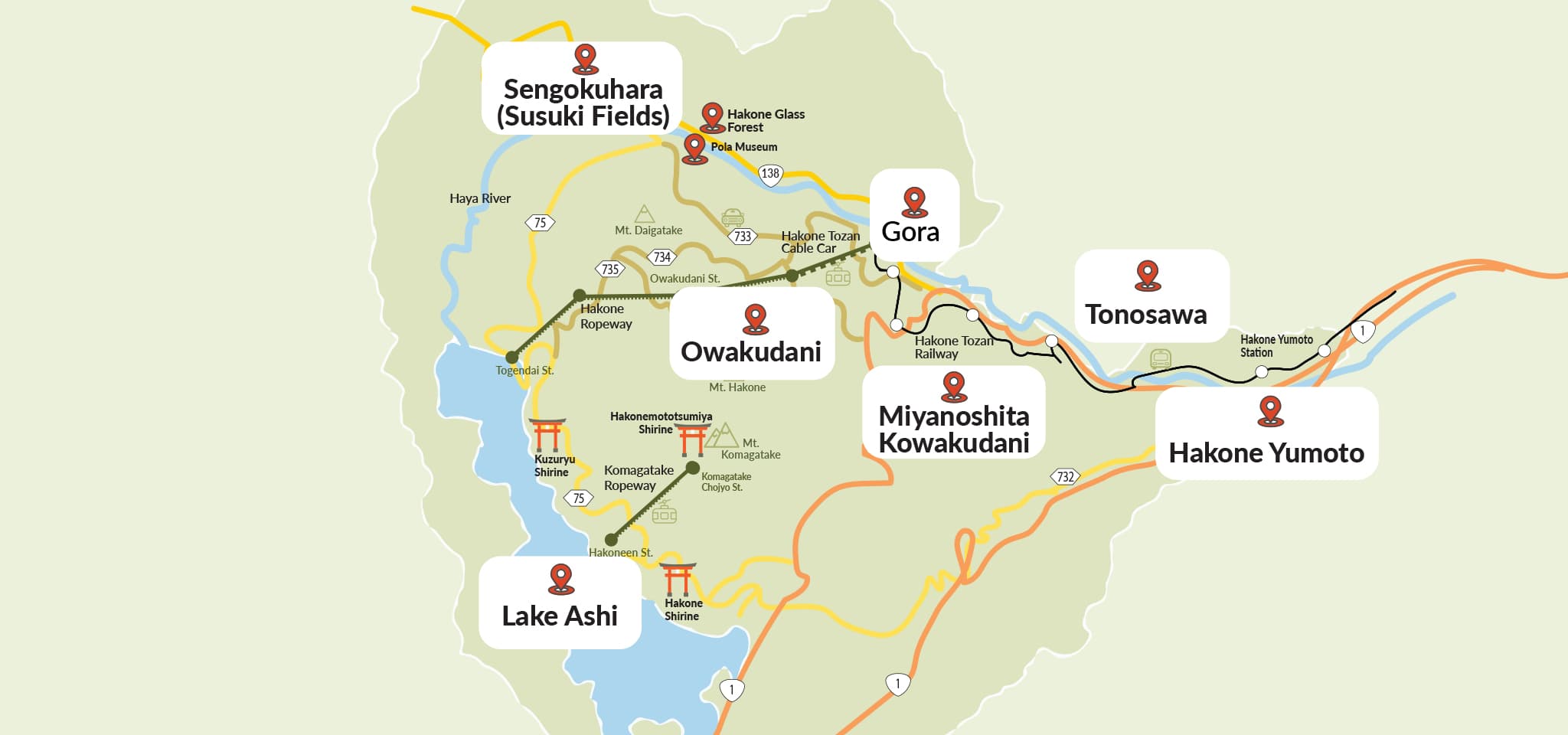
Choose Hakone-Yumoto or Tonosawa if you want short transfers, Gora, Owakudani, Miyanoshita, or Kowakudan for classic mountain ryokan atmosphere, and Lake Ashi for scenery.
Hakone-Yumoto & Tonosawa: The Gateway Areas
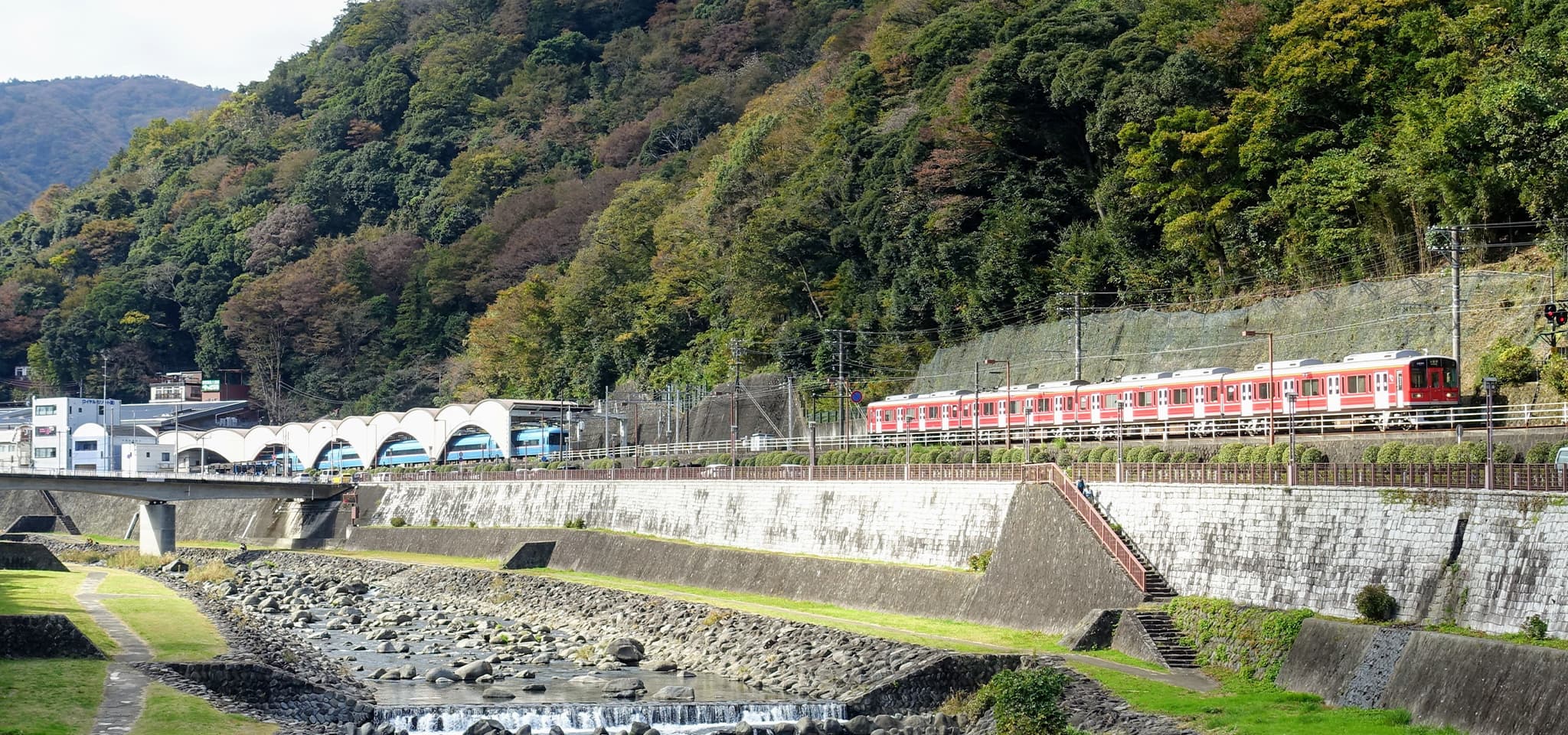
Hakone-Yumoto is the region's main transit hub, where the direct limited express (Odakyu Romancecar) from Shinjuku terminates after roughly 80 minutes. Tonosawa sits just one stop further into the Hayakawa Gorge, trading high-street crowds for quiet while remaining within a short 200-yen shuttle ride of the station.
Hakone-Yumoto
Features the highest density of shops, souvenir stores, and day-use bathhouses in Hakone.
Tonosawa
A serene riverside ryokan district reached across a suspension bridge spanning the Hayakawa Gorge.
Travel Logic: Staying in either gateway area lets you access the Open-Air Museum, the Ropeway, and Lake Ashi without changing your accommodation base.
What You Gain
Seamless Access
Direct 80-minute train from Shinjuku with minimal luggage hassle compared to mountain stays.
Quiet Gateway Location
Tonosawa offers serene riverside privacy just a 200-yen shuttle ride from Yumoto Station.
Easy Sightseeing
Major spots like the Open-Air Museum and Lake Ashi are reachable within 20–25 minutes.
What You Give Up
High-Altitude Views
Lacks the elevated mountain panoramas of Gora or the waterfront Fuji views of Lake Ashi.
Gora, Miyanoshita, and the Mountain Villages
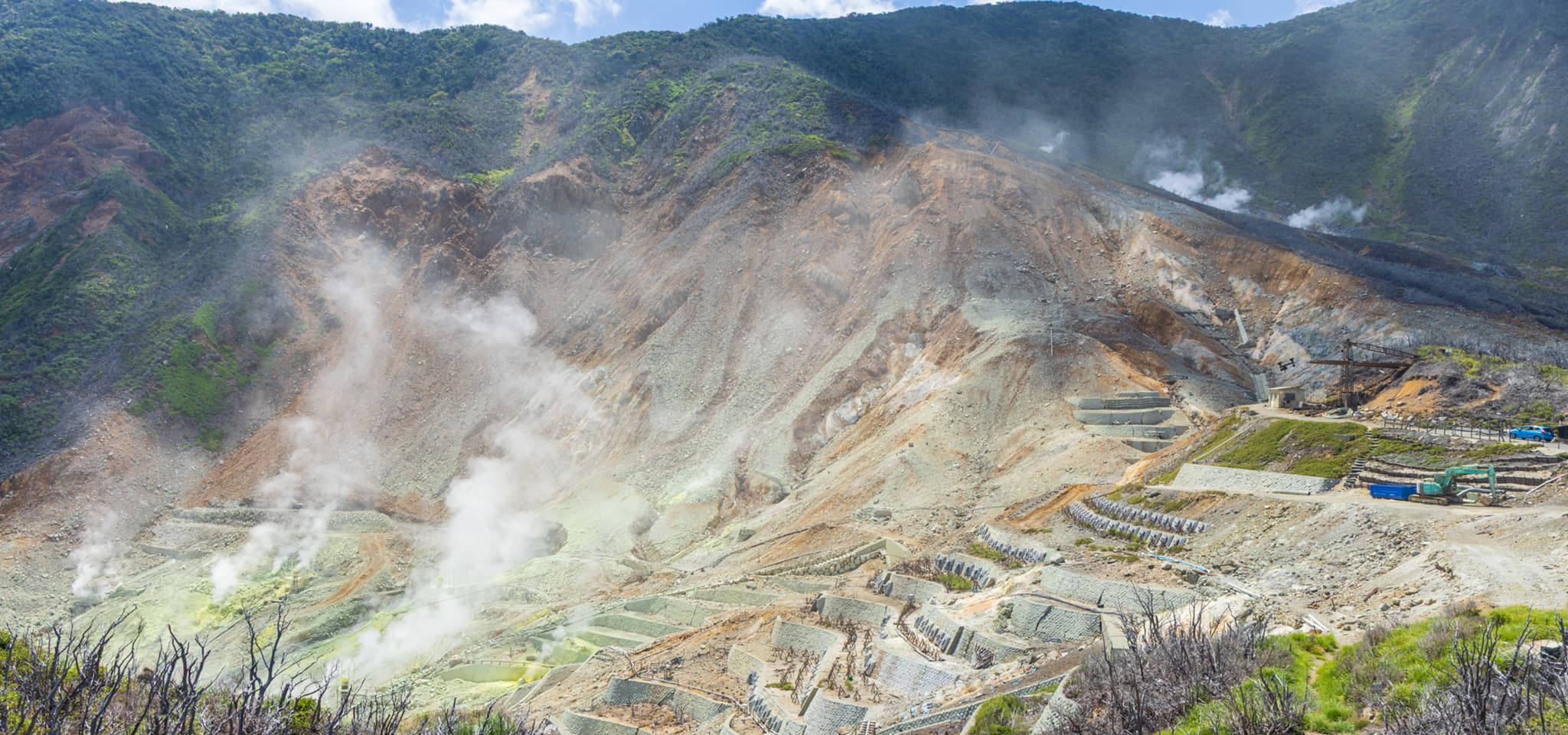
Gora sits near the top of the Hakone Tozan Line (approx. 35 minutes from Yumoto) and connects by cable car to Sounzan in roughly 10 minutes. Miyanoshita and Kowakudani sit between the two, renowned for historic hotel architecture and forested slopes.
These mid-mountain villages deliver the iconic postcard image of Hakone: rising steam, cedar woods, and steep winding lanes.
What You Gain
Alpine Charm & Culture
Refreshing mountain air, historic retro streets, and a dense concentration of world-class art museums.
Direct Cable Car Access
Effortless transit to the Hakone Cable Car and Ropeway right from your doorstep.
What You Give Up
Luggage Convenience
Winding switchback trains and steep slopes make traveling with heavy luggage more challenging.
Limited Evening Options
Fewer dining choices outside your ryokan, plus reduced flexibility if bad weather closes the ropeway.
Note on Bathing: Many historic mountain properties rely on communal bathhouses, which can be a constraint for international guests with tattoos.
Sengokuhara (Best for Wide-Open Landscapes)
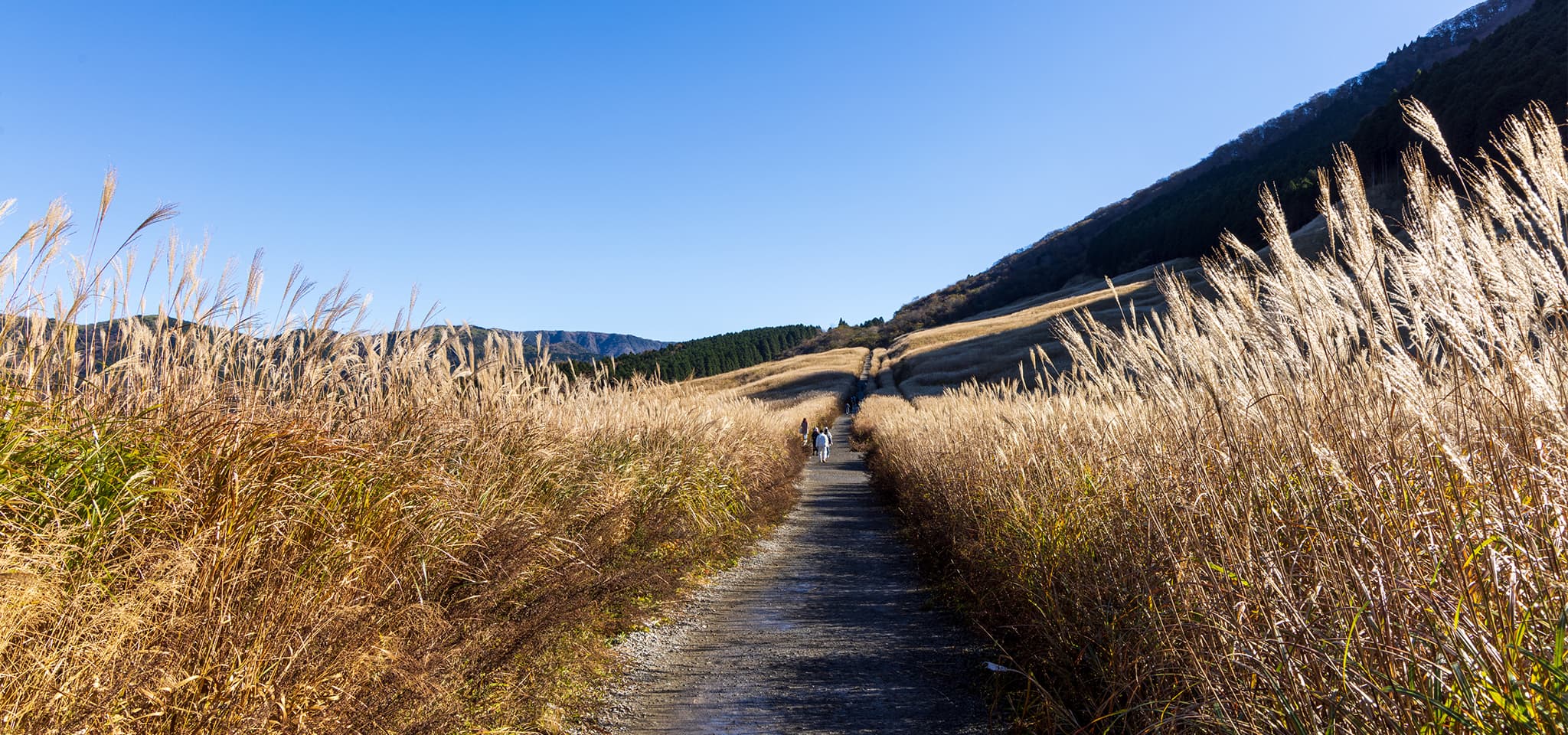
Famous for its sprawling pampas grass fields and modern art museums, this spread-out northern area offers a quiet retreat for travelers reliant on bus transit.
What You Gain
Spacious Open Scenery
Sweeping pampas grass fields, peaceful highland air, and top-tier modern art museums.
Quiet Retreat
A relaxed, spread-out area ideal for repeat visitors wanting a peaceful escape away from station crowds.
What You Give Up
Bus-Dependent Transit
Completely reliant on local buses rather than trains, requiring extra travel planning.
Less Onsen-Centric Vibe
Highly spread out, meaning fewer compact ryokan streets or night-walking options.
Lake Ashi (Best for Mt. Fuji & Lake Views)
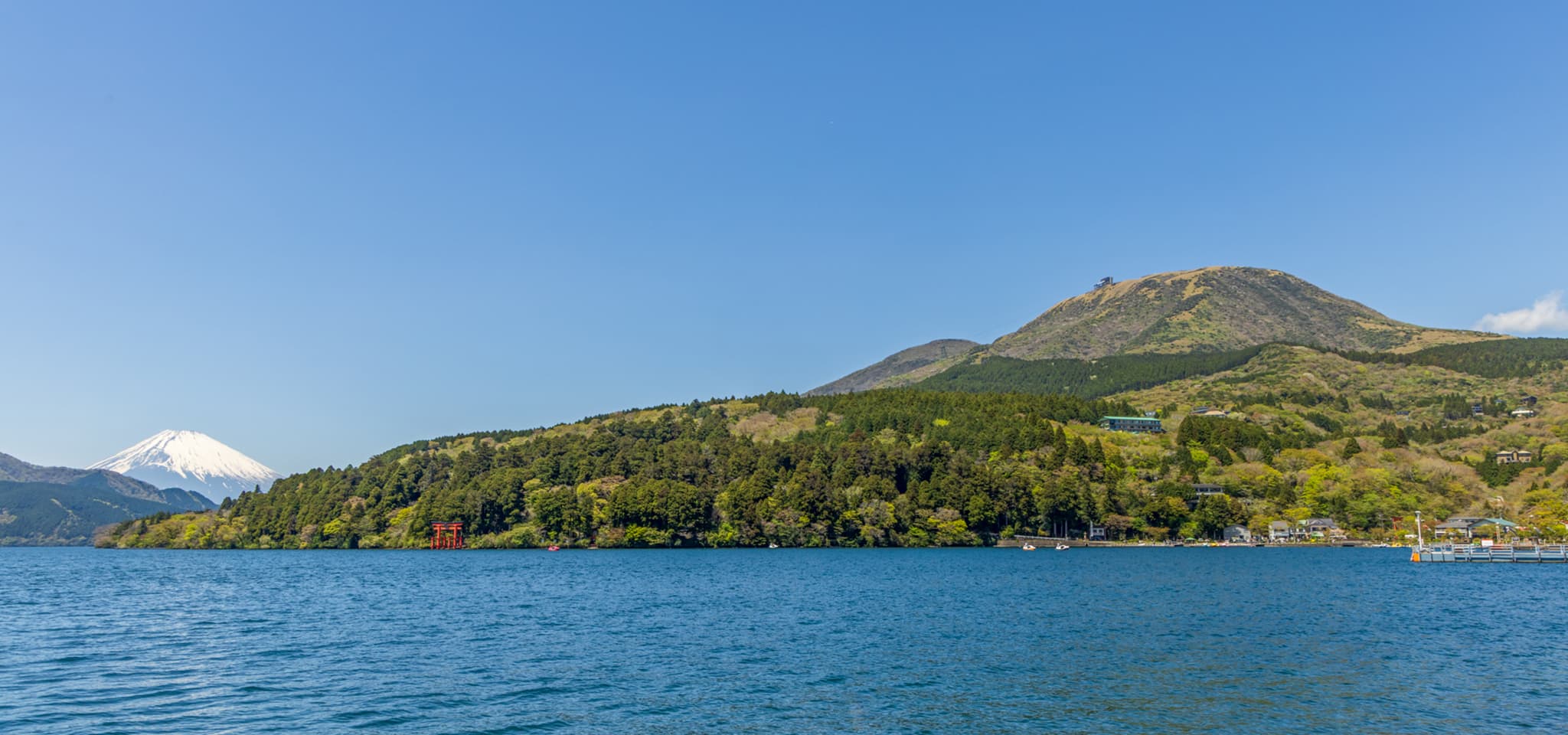
Located around the caldera lake with boat and ropeway connections, this resort-scale area is ideal for those prioritizing stunning waterfront vistas.
What You Gain
Postcard Scenery
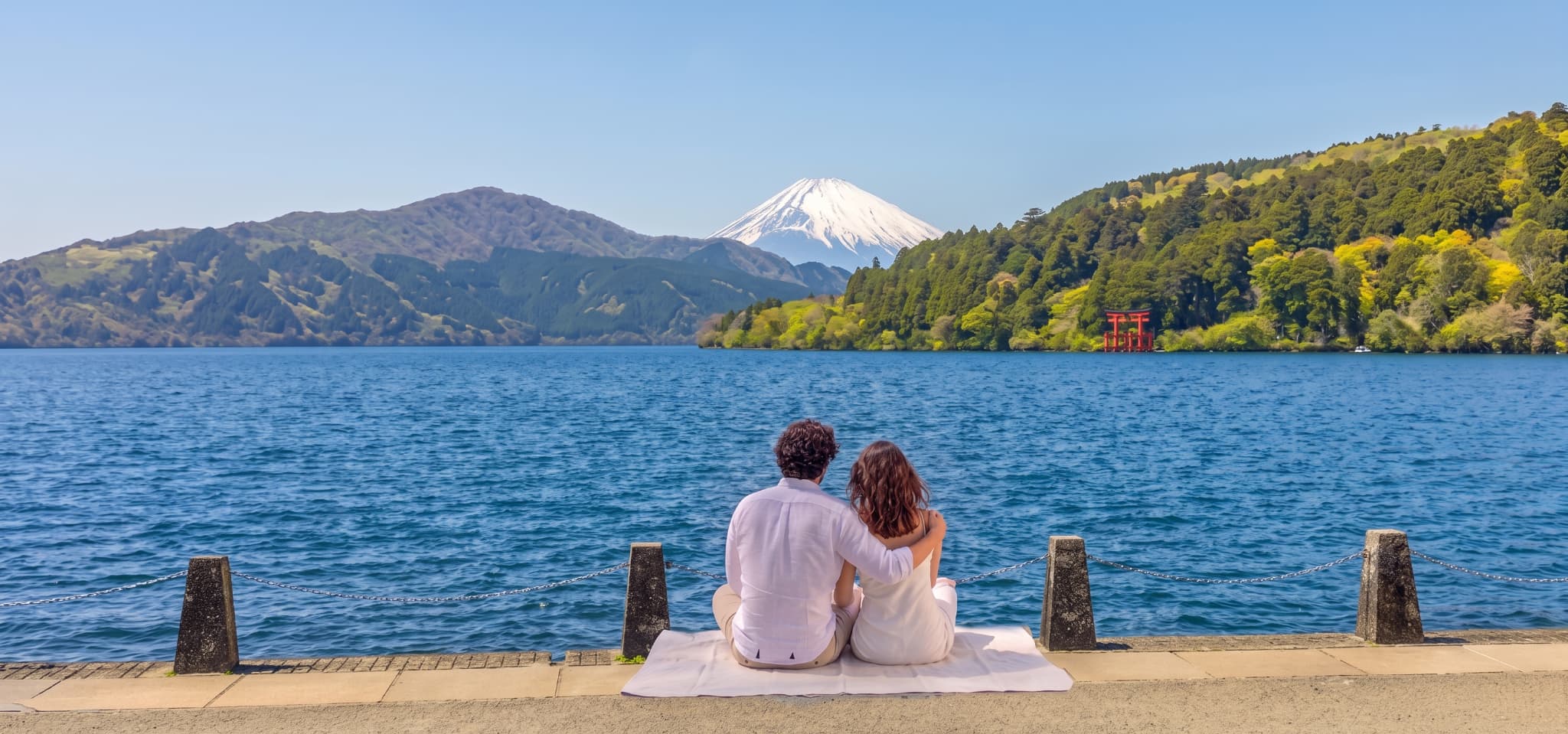
Unmatched views of Mt. Fuji, the famous floating torii gate, and scenic sightseeing lake cruises.
Lakeside Atmosphere
Ideal for photographers and repeat visitors prioritizing iconic views right outside their door.
What You Give Up
Transit Efficiency
Reaching the lake from Hakone-Yumoto requires taking the full Loop sequence or direct buses.
Weather Dependence & Dark Evenings
Fuji visibility depends heavily on season and weather; evening transit options are limited after dark.
Where Kinnotake Tonosawa Fits
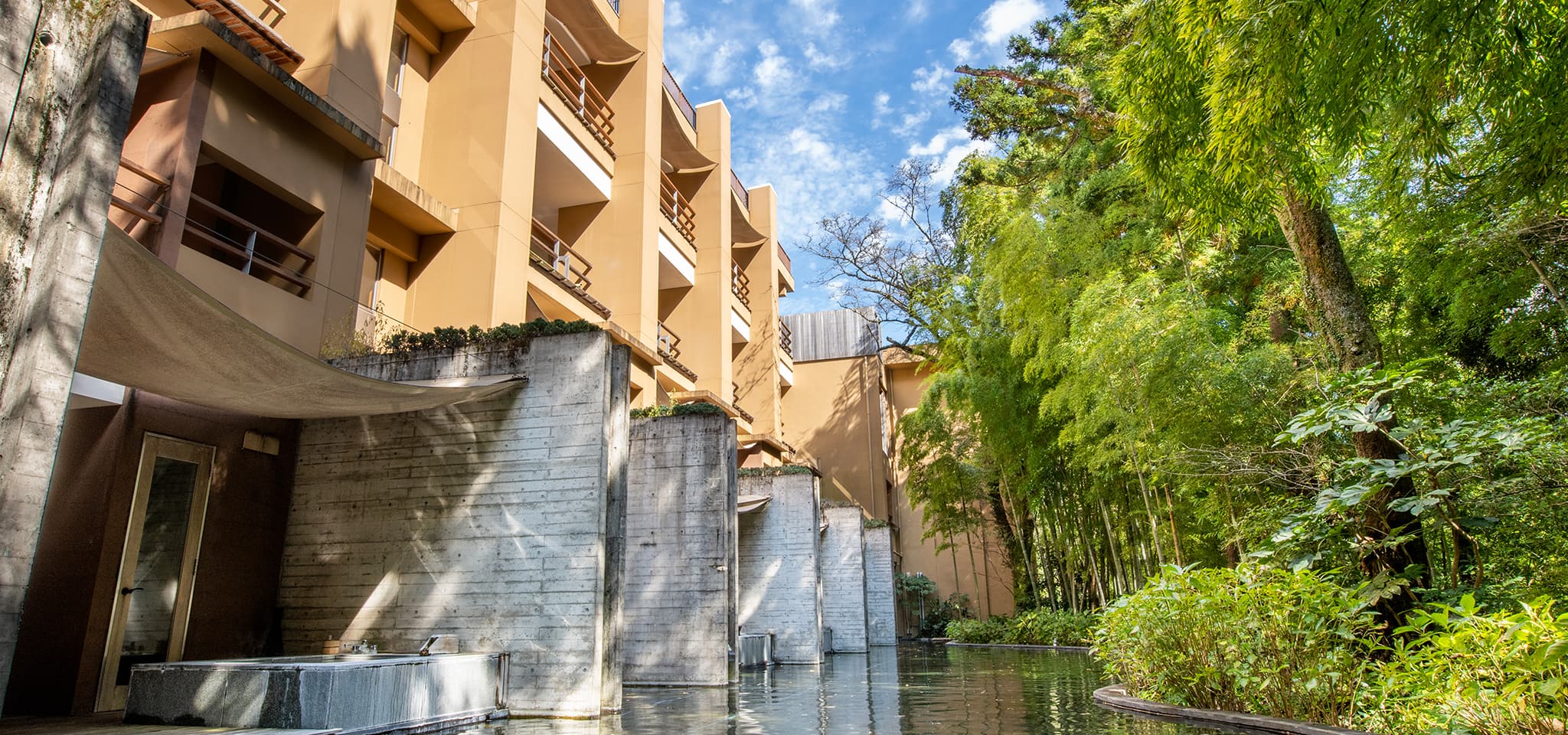
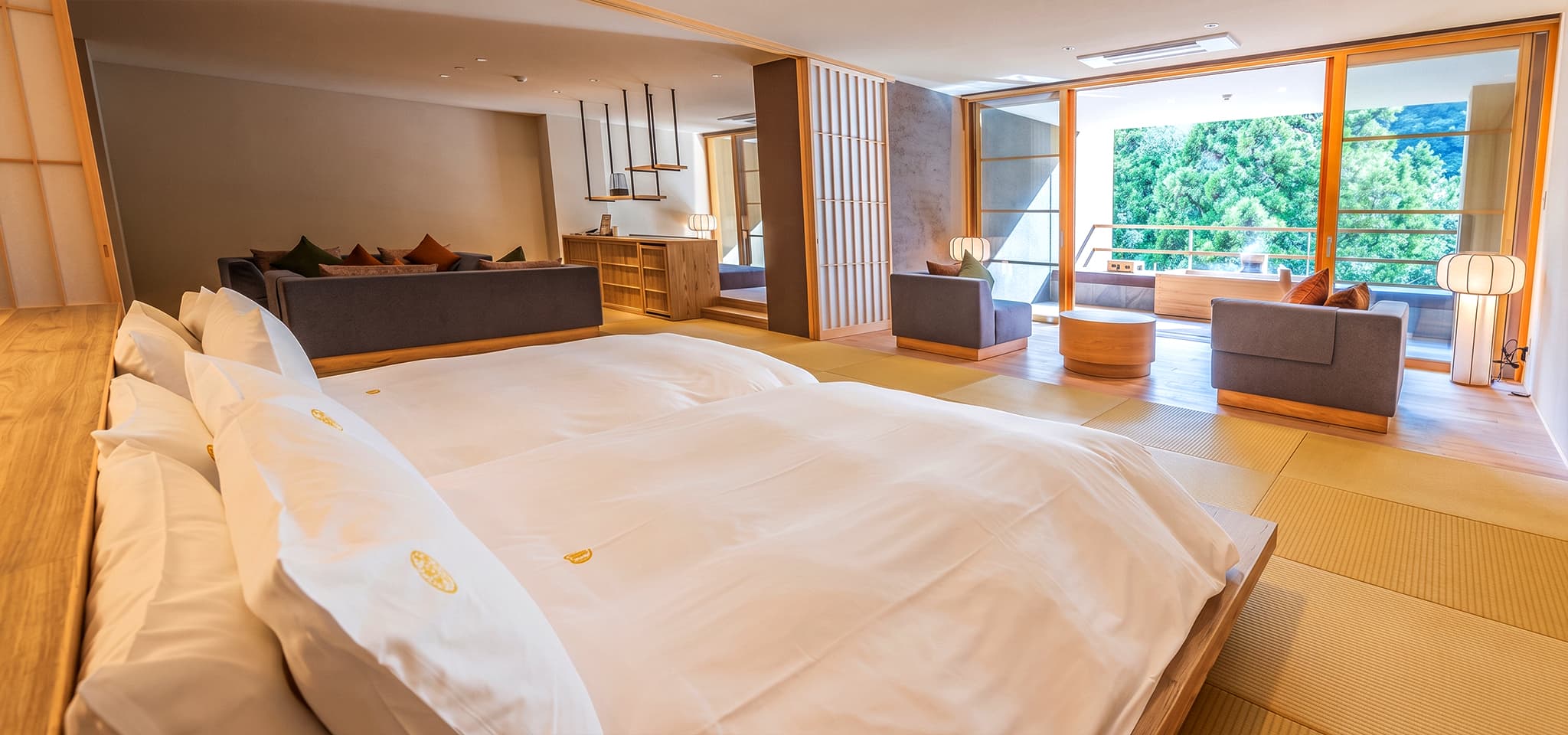
Kinnotake Tonosawa is a 21-room luxury onsen ryokan in Tonosawa, designed around a "No Line Resort" concept and fully renovated in July 2013. There are no communal bathhouses — every single guest room features its own private, free-flowing open-air onsen bath.
The water, known as Konjiki-no-yu (Golden Hot Spring), rises from a private on-site source at 50.3°C and is cooled naturally to 40.0°C in the tubs. With a gentle pH of 9.5, it is celebrated for skin health, fatigue recovery, and stress relief.
Rooms, Design & Amenities
Spatial Variety
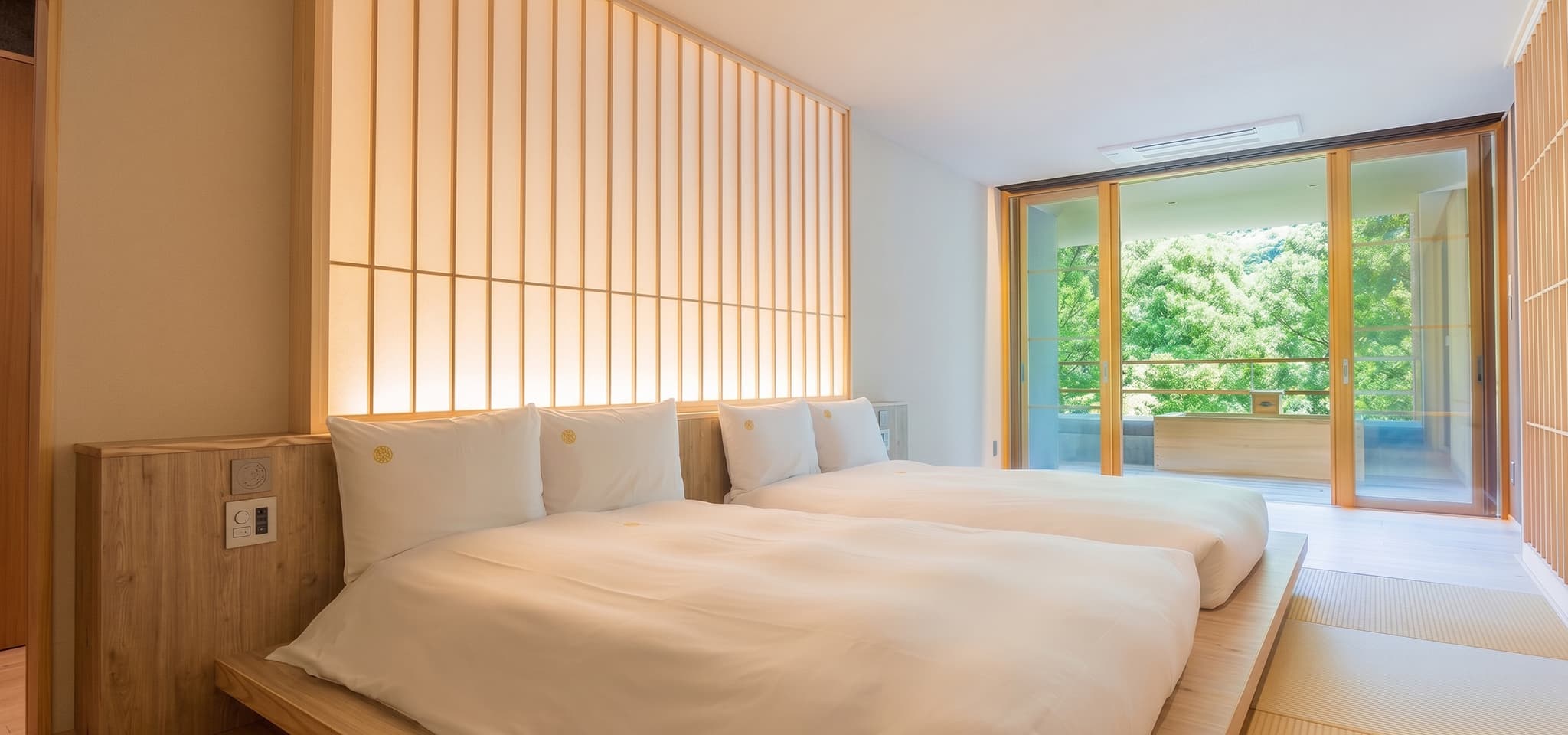
Nine room types range from 57㎡ to the expansive 188㎡ "Ten" suite. Bathing tubs are crafted from premium Mikage granite, Aomori hiba, and hinoki wood.
Sleep & Comfort
Eleven rooms feature Hollywood twin setups with dual double-size Annel Bed mattresses (140cm × 195cm), paired with feather pillows and lightweight duvets.
Inclusions
In-room refrigerators are stocked with a complimentary selection of drinks and original snacks. Sensatia Botanicals amenities are provided in all rooms.
Tattoo-Friendly
Because all bathing facilities are 100% private and inside the guest room, the ryokan is fully accessible to guests with tattoos.
Dining
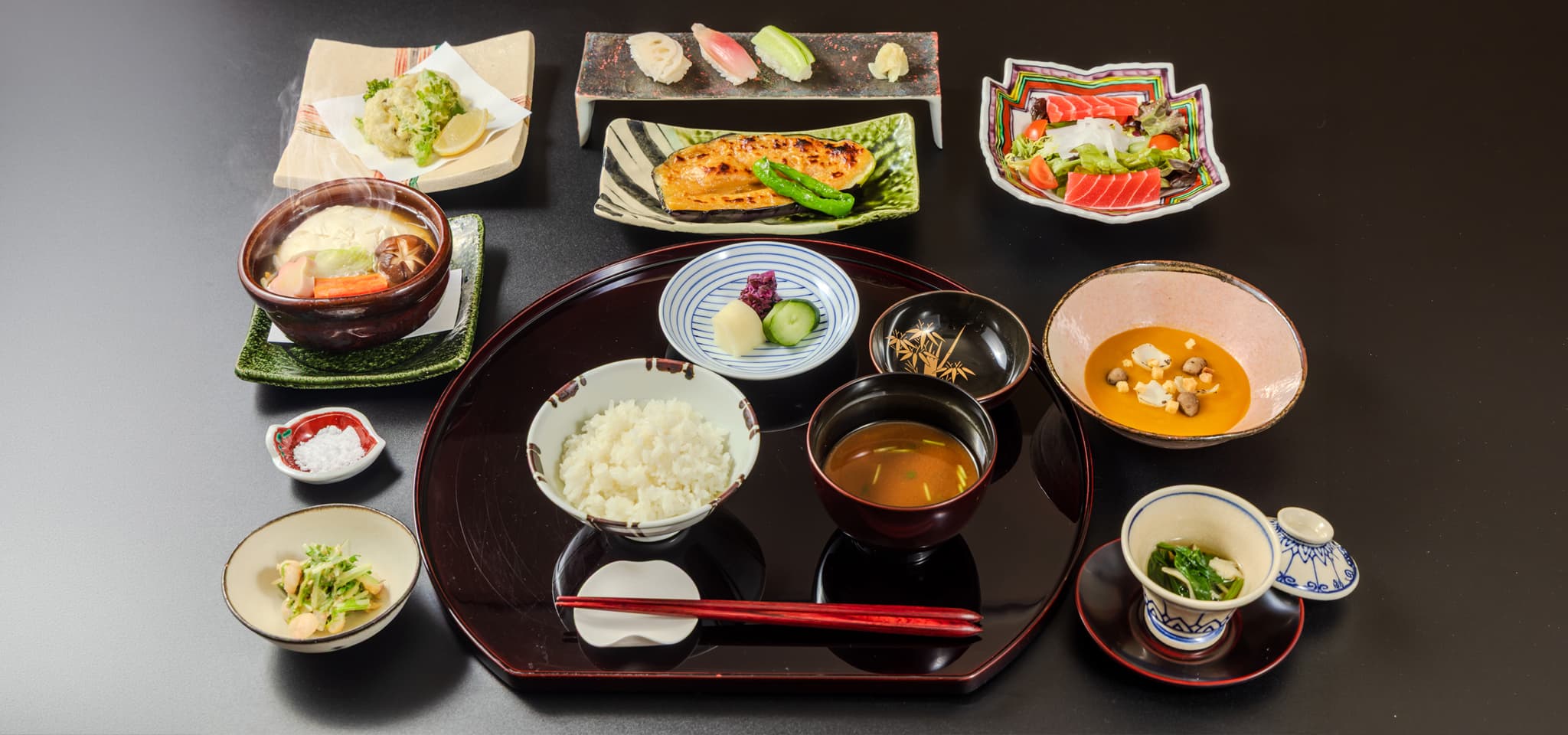
For dinner, enjoy an authentic Kaiseki meal that blends traditional Japanese culinary arts with modern sensibilities. Crafted by chefs with years of dedicated mastery and heartfelt hospitality, each dish highlights local seasonal ingredients anchored by rich, carefully prepared dashi—simmered with meticulous attention to timing and temperature.
To accommodate diverse dietary preferences, vegan options can also be prepared with advance request. For breakfast, guests can choose between a traditional Japanese set or a Western-style meal to begin their morning. Breakfast-only plans are also available for guests who prefer to dine out.
How Much Should You Budget?
Rates in Hakone move sharply with season, room type, and meal plan. Below is an overview of baseline rates at Kinnotake Tonosawa:
| Room Tier | Example Rooms | Per Person, Per Night (Half-Board) |
| Compact Type | Hoshi, Tsuki, Haruka | Approx. ¥51,000–¥70,000 |
| Standard Type | Hikari, Shizuku, Take | Approx. ¥70,000–¥90,000 |
| Premium Suite | Ten, Sora, Kumo | Approx. ¥90,000–¥130,000 |
※ Rates and USD conversions are current as of September 2026. Prices are subject to change based on seasonality.
Understanding Hakone Ryokan Pricing
Across Japan, per-person pricing including dinner and breakfast (half-board) is standard practice rather than per-room rates. When comparing options, always confirm whether the quoted price covers Kaiseki dining, as this materially changes the value of your stay.
Multilingual Support
Staff at Kinnotake Tonosawa offer seamless assistance in Japanese, English, and Chinese, eliminating common communication barriers for international travelers experiencing a luxury ryokan for the first time.
Frequently Asked Questions
Which Hakone area is best for first-time visitors?
The gateway areas — Hakone-Yumoto and Tonosawa — are the most practical. They keep transfers short with luggage while placing most major attractions within 20–25 minutes.
Can guests with tattoos use onsen at Kinnotake Tonosawa?
Yes. Kinnotake Tonosawa has no communal bathhouses; all 21 rooms feature private open-air hot spring baths, making it 100% tattoo-friendly.
How many nights should I stay in Hakone?
While a single-day trip is possible, staying two to three nights is recommended to truly experience the onsen culture, scenic museums, and seasonal dining without rushing.
How do I secure the best rate?
Direct bookings through the official website offer the best available rates and real-time room availability.
Getting to Hakone & Around
Shinjuku to Hakone-Yumoto: Approx. 80 minutes via the direct Odakyu Limited Express Romancecar.
Tokyo to Odawara: Approx. 35 minutes via the JR Tokaido Shinkansen.
Hakone-Yumoto to Gōra: Approx. 35 minutes on the Hakone Tozan Railway.
Hakone-Yumoto to Kinnotake Tonosawa: A quick 5-minute ride via the shared Hakone Tozan Kanko Bus shuttle (200 yen one way).
Summary
Hakone rewards travelers who match their neighborhood choice to their trip goals: choose the mountains for traditional atmosphere, the lake for iconic views, and the gateway areas for travel efficiency.
For travelers prioritizing privacy, modern architecture, and a private open-air onsen in every room, Kinnotake Tonosawa offers an unparalleled sanctuary in the Hayakawa Gorge.
Plan your stay and check availability at Kinnotake Resorts Official Website.